You should look at the wattage rating and the power spikes of your graphics card. High-end modern chips draw a lot of power under load. A 650W or 750W unit fits most mid-to-high setups.
10 Best CPU for Gaming: Features, Prices, Pros, and Cons Explained

Choosing the right CPU if you are a heavy gamer is important, as it gives you a great gaming experience by helping you get higher frame rates, smooth gameplay, and better performance when you are playing a graphics- and resource-heavy game.
By going through this article, you can learn about the 10 best CPU for gaming and choose the best CPU for you accordingly.
Table of Contents:
10 Best CPUs for Gaming in 2026 (Tried and Tested)
A gaming CPU not only helps you run games smoothly, but it also helps the system process running tasks, how high frame rates you need, and how well your PC can handle the game.
There are thousands of options for buying a gaming CPU, but here are our tried-and-tested 10 best cpu for gaming to help you choose one easily, without any headaches.
1. AMD Ryzen 7 9800X3D
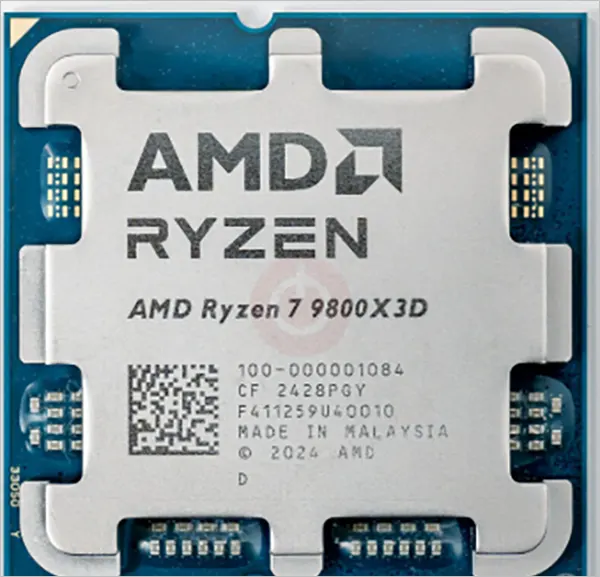
The AMD Ryzen 7 9800X3D is one of the best choices for gamers who want high and consistent performance without moving to a higher-end processor. It performs best where high frame rates and smooth gameplay matter.
| Specifications |
|
| Reasons to buy |
|
| Reasons to Avoid |
|
| Pricing |
|
2. AMD Ryzen 9 9950X3D
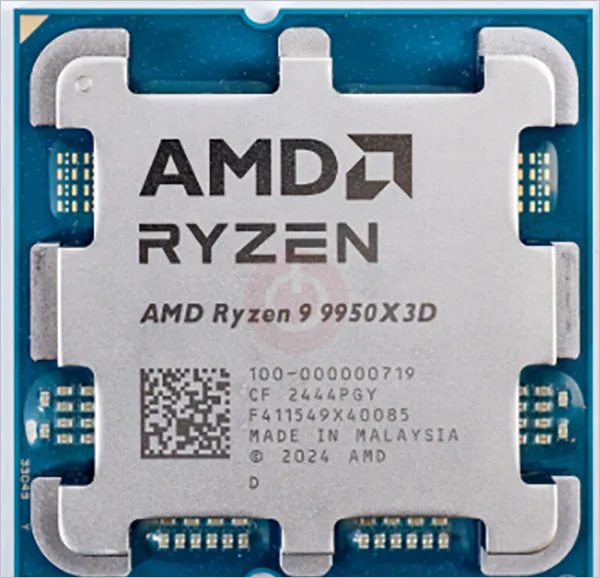
If you can afford the AMD Ryzen 9 9950X3D, it is one of the best all-rounders on the market right now, with AMD’s 3D cache tech and AVX-512 support that help deliver an incredible gaming experience.
| Specifications |
|
| Reasons to buy |
|
| Reasons to avoid |
|
| Pricing |
|
3. AMD Ryzen 7 7800X3D
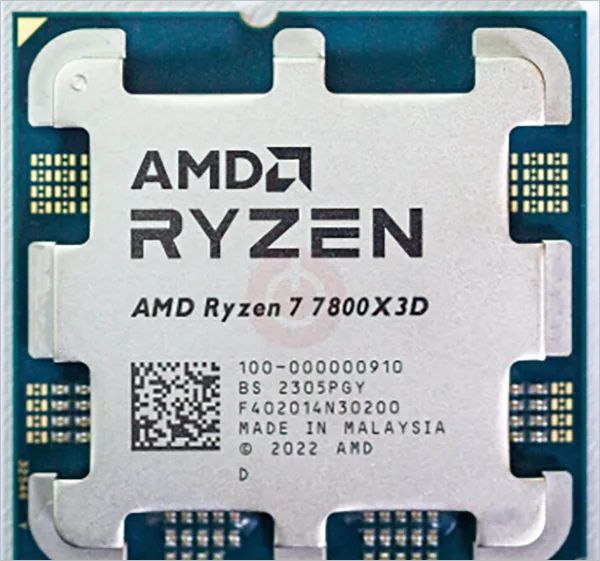
The Ryzen 7 7800X3D is the fastest gaming chip available and can easily beat the competitors and even CPUs from AMD’s line-up itself. If we compare the performance, it is definitely one of the most affordable and value-for-money CPUs.
| Specifications |
|
| Reasons to buy |
|
| Reasons to avoid |
|
| Pricing |
|
The AMD Ryzen 7 7800X3D uses almost 60% less power than most of the other gaming CPUs.
4. AMD Ryzen 7 9700X
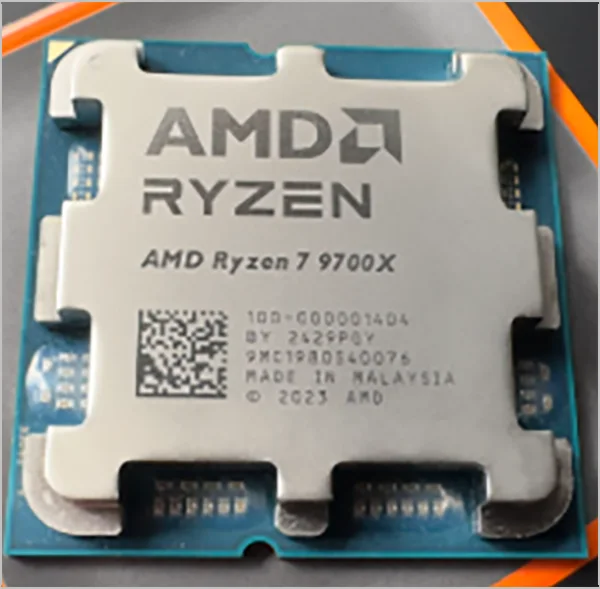
If you want a CPU entirely for gaming, then the AMD Ryzen 7 9700X is one of the best processors to go for. It also comes with Native AVX-512 support and has the ability to use less and less power.
| Specifications |
|
| Reasons to buy |
|
| Reasons to avoid |
|
| Pricing |
|
5. Intel Core Ultra 5 250K Plus
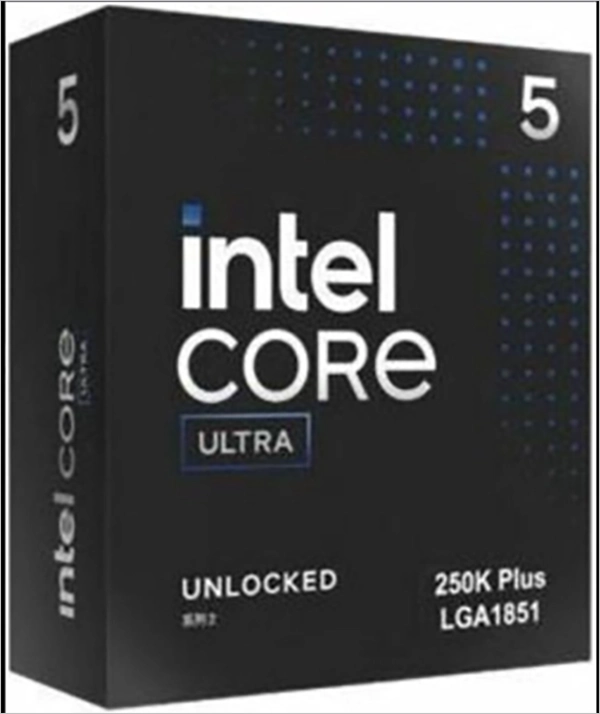
The Intel Core Ultra 5 250K Plus is one of the best mid-range gaming processors that Intel offers for gaming. The best thing about this processor is the application performance, which makes it stand out from other processors in the same range.
| Specifications |
|
| Reasons to buy |
|
| Reasons to avoid |
|
| Pricing |
|
6. AMD Ryzen 9 9950X3D2
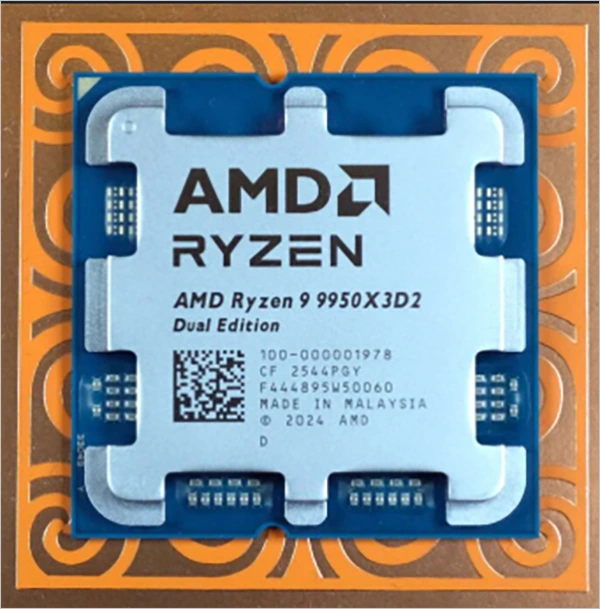
The Ryzen 9 9950X3D2 is the best gaming CPU when it comes to a powerful gaming processor and is also far ahead of all the Ryzen processors, but it consumes too much power and is on the costlier side.
| Specifications |
|
| Reasons to buy |
|
| Reasons to avoid |
|
| Pricing | The price of this processor in India is listed at around Rs.96,000 to Rs.120,500. |
7. AMD Ryzen 7 9850X3D
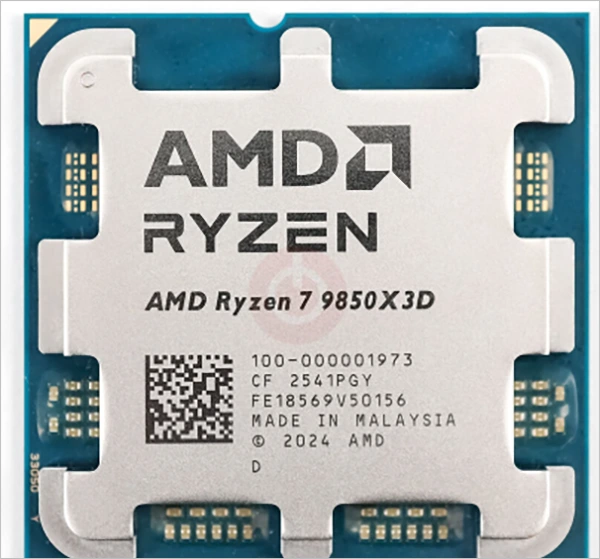
The AMD Ryzen 7 9850X3D is a high-end desktop gaming processor and is also brand new, as it was launched in January 2026. It is specifically built by AMD for an enhanced gaming experience. It also uses an advanced microarchitecture for improved instructions-per-clock performance, which makes it stand out.
| Specifications |
|
| Reasons to buy |
|
| Reasons to avoid |
|
| Pricing | Rs.51,500 to Rs.55,000 in India. |
8. Intel Core Ultra 7 270K Plus
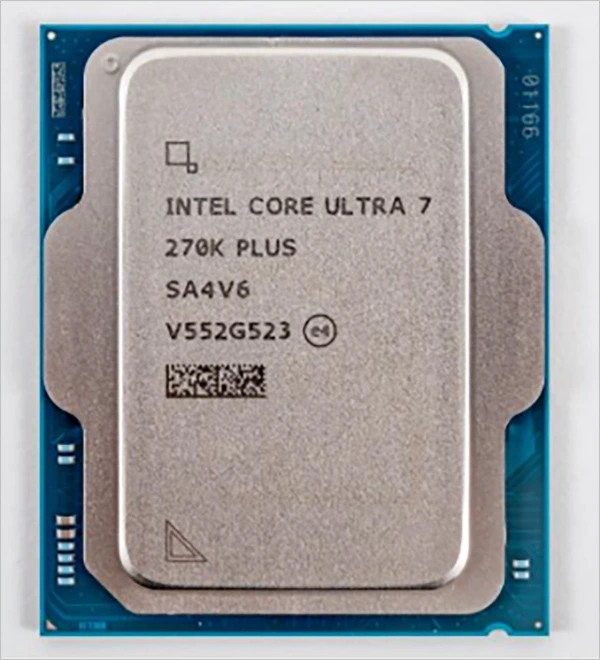
The Intel Core Ultra 7 270K Plus gaming performance is solid and vastly improved over other Arrow Lake regressions, which makes it tough competition for AMD mid-to-high-range processors.
| Specifications |
|
| Reasons to buy |
|
| Reasons to avoid |
|
| Pricing |
|
9. AMD Ryzen 7 5800X3D
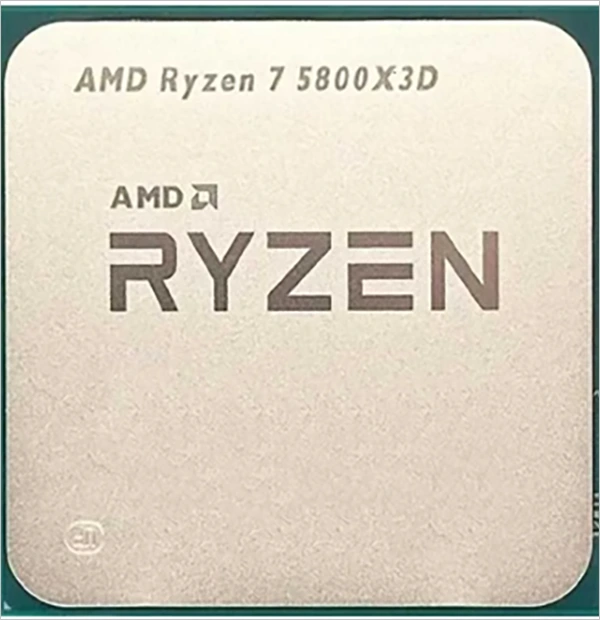
The AMD Ryzen 5800X3D processor, despite being 4 years old, is still a legendary DDR4 processor that gives a flawless gaming experience and is still in high demand. It uses AMD 3D V-Cache technology, which makes it a powerful drop-in upgrade for gaming on DDR4 platforms.
| Specifications |
|
| Reasons to buy |
|
| Reasons to avoid |
|
| Pricing |
|
10. AMD Ryzen 9 9900X3D
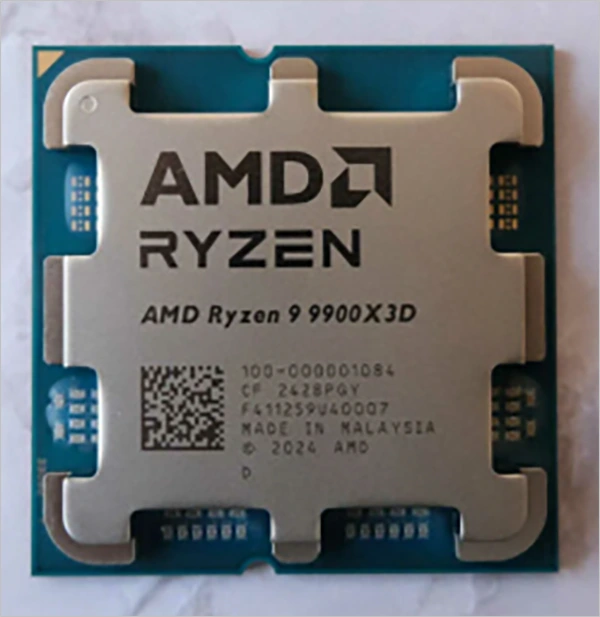
The AMD Ryzen 9 9900X3D is considered one of the fastest 12-core gaming processors. The Ryzen 9 9900X3D leverages the same game-boosting 3D V-Cache technology as its X3D counterparts to deliver impressive Intel-beating gaming performance.
| Specifications |
|
| Reasons to buy |
|
| Reasons to avoid |
|
| Pricing | The pricing in India ranges from Rs.46,000 to Rs.61,500 |
Also Read: Best Gaming Laptop in India 2026: Top 8 Machines & Prices
Why do you Need a CPU for Gaming?
As we know, the CPU is the brain of the computer, which helps run every function and game logic and also commands the GPU about its next task. Without a CPU, your game will lag even with the most powerful graphics card.
Now, let’s discuss some points and understand why a CPU is important for gaming.
- Game Physics and Logic: The CPU calculates and controls how objects move, fall, crash, and also controls AI behavior and non-player characters in the game world.
- Frame Preparation: Frame preparation by the CPU means the processor gets the next game picture ready before the graphics card draws it and also sets the speed limit of your game frames.
- Preparing work for the GPU: The GPU might handle graphics rendering, but the CPU has to send instructions to it and tell the GPU what needs to be rendered and when.
Fun Fact: Many people think that the GPU is the one responsible for maintaining the high FPS in the game. Even if your GPU is capable of rendering 200 FPS, but the CPU is only capable of preparing enough data for 120 FPS, your device will be limited to 120 FPS.
What Should You Look for in a CPU Before Buying It?
Before buying a CPU, you should look for the core and thread count, clock speed, cache size, and integrated graphics, and also check if all these things are compatible with the motherboard, daily performance needs, and your requirements.
Let’s discuss all the pointers in detail.
- Core and Thread count: The cores handle heavy tasks like video editing or gaming better, and hyper-threading runs many tasks at the same time. You should look for four cores for basic use; six to eight cores fit modern games, and tens or more cores suit heavy and creative work.
- Clock Speed: The clock speed, which is measured in GHz, and higher numbers mean faster task execution per core. There are also two speeds: base speeds and boost speeds. The Base speed is the normal speed of the chip under standard load, and the Boost speed is the top speed the chip hits during heavy tasks.
- Cache Memory: The Cache memory is a tiny, ultra-fast block of static RAM sitting very close to the processor. It stores copies of data and instructions from the main RAM that the computer uses repeatedly, letting the CPU skip slow trips to regular memory and run programs smoothly.
- Integrated Graphics: It is a built-in video chip on the main processor that uses normal system memory. It handles basic screen tasks like desktop work, web browsing, and video streaming without needing a separate graphics card, and it helps with that. Therefore, before buying a CPU, you should always look for a good integrated graphics card.
Also Read: Top Student Laptops in 2026: A Complete Guide for Purchasers
Conclusion
The right gaming processor depends entirely on your budget and your daily needs. You should always go for the best CPU for gaming that fits all your needs, is value for money, and gives you the best frame rates for fast action. You should also think about your monitor resolution and match it with a good graphics card for the best result.
FAQs
How will I know that my current power supply can handle a new gaming processor?
Does cache size matter more than clock speed for modern games?
Large L3 cache helps games run smoother with higher low frame rates. High clock speed helps peak frame rates, and chips with huge caches are preferred more.
Does running multiple monitors impact gaming frame rates with a 6-core chip?
Modern 6-core chips handle background tasks well. Heavy streaming on the same PC benefits from an 8-core or higher chip to avoid sudden frame drops.
TRENDING POST

7 Best Folding Phones in India: Top 7 Deals
Best Gaming Keyboard 2026: 7 Top Picks With Full Specs

AirTag Battery Guide 2026: Life, Charging, and Replacement